How to Remove Wallpaper Like a Pro | Mastering the Art
Why Proper Wallpaper Removal Matters
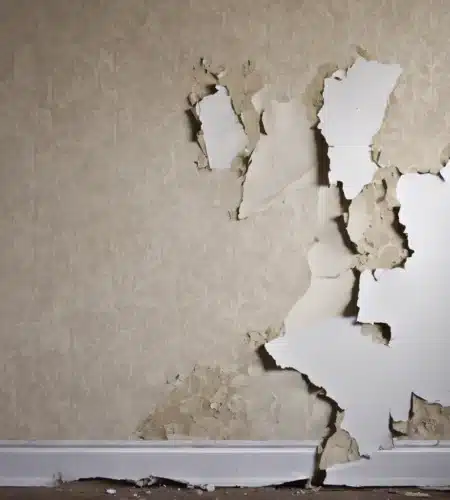
Peeling wallpaper improperly can damage your walls. Learn how to remove wallpaper safely and efficiently with professional or DIY methods in Vancouver. After removing wallpaper, many homeowners choose to refresh their walls with our interior painting services for a modern, seamless finish
Preparing Your Workspace for removal of wallpaper
- Essential wallpaper removal tools for the Job
Gather a wallpaper scorer, scraper, spray bottle, and protective materials to minimize mess and wall damage.
Protecting Your Walls
Lay down drop cloths and cover furniture. Use painter’s tape on wall edges and corners to prevent scratches and gouges. We also handle large-scale commercial painting projects, ensuring walls are properly prepared after wallpaper removal.
Step-by-Step Guide to Remove Wallpaper
Assessing the Wallpaper Type
Identify whether your wallpaper is vinyl, fabric, or traditional paper to use the appropriate removal method.
Vinyl Wallpaper Removal
Vinyl wallpapers require extra care due to their waterproof nature. Use scoring and solution to loosen adhesives efficiently.
Fabric Wallpaper Removal
Fabric wallpaper is delicate. Use gentle techniques to prevent tearing and preserve the wall surface.
Traditional Paper Wallpaper Removal
Paper wallpaper can tear easily. Use a scoring tool and wallpaper solution for smooth removal.
Moistening and Peeling Wallpaper
Apply water or a wallpaper removal solution. Peel slowly to avoid damaging walls underneath.
Handling Stubborn Adhesives
For difficult wallpaper adhesive, use a scorer or additional solution, and patience, to ensure clean removal.
How to fix peeling paint on wall?
Consider using a wallpaper steamer for faster results on large surfaces
Use drop cloths and gently lift edges to prevent gouges or scratches
Improper removal can damage wall surfaces. Use proper tools to minimize risk
Prepare walls for paint or new wallpaper. Proper care ensures smooth and long-lasting results.
Rushing the Process
Rushing the wallpaper removal process can lead to mistakes, such as wall damage and a poor finish. While tempting, impatience can compromise the result. Here’s why patience is key and how to approach the task carefully for the best outcome. Property managers often rely on our strata painting experts to rejuvenate multi-unit buildings after wallpaper removal
The Pitfalls of Impatience
- Wall Damage: Rushing can cause wall damage, including scratches, gouges, or dents, leading to extra repairs and affecting the wall’s appearance.
- Uneven Finish: Patience ensures a smooth, even finish after removal. Rushing can leave adhesive or wallpaper remnants, creating an uneven surface for future treatments like paint or new wallpaper.
- Frustration: Rushing leads to frustration, increasing the likelihood of mistakes and setbacks, which only makes the process more difficult.
Contact AZ Painting for Professional Wallpaper Removal
Frequently Asked Questions About Removing Wallpaper
How long does it take to remove wallpaper?
Removing wallpaper can vary in time, depending on factors like the type of wallpaper and the size of the area. On average, plan for a few hours to a day for the entire process.
Can I reuse wallpaper after removal?
Unfortunately, most wallpapers are not reusable after removal. The adhesive residue and potential damage during the removal process make reuse challenging.
Do I need professional help to remove wallpaper?
While hiring professionals is an option, with the right tools and techniques, DIY wallpaper removal is achievable for most individuals.
Is it necessary to prime the walls after wallpaper removal?
Yes, priming the walls after wallpaper removal is recommended. It ensures a smooth, even surface for new wallpaper or paint application.
What should I do if the wallpaper adhesive is stubborn?
If the adhesive proves challenging, consider using a wallpaper steamer or applying additional wallpaper removal solution. Patience is key in dealing with stubborn adhesives.